How is Autism Caused? Unraveling the Complex Causes of Autism Spectrum Disorder
Discover how autism is caused. Explore factors, research findings, and insights. Dive into the complexities of autism today! Autism Spectrum Disorder (ASD) has become increasingly common, sparking curiosity and concern among parents, educators, and healthcare professionals. Understanding how autism is caused is crucial for developing effective interventions that support individuals with ASD. Although years of research has led to significant advancements in our understanding of autism, many questions remain. Are there specific genetic factors involved? How do environmental influences play a role? And what about the various myths that surround autism? In this article, we’ll explore the intricate web of causes surrounding autism, providing clarity on this complex disorder.
Understanding Autism Spectrum Disorder
To answer the question of how is autism caused? it is essential first to understand what autism spectrum disorder is. Autism is a neurodevelopmental condition characterized by challenges in social interaction, communication, and repetitive behaviors. Every individual with autism may have unique strengths and challenges, making it a spectrum disorder, where the severity and manifestation of symptoms can differ significantly from one person to another.
While the exact diagnosis can only be made by trained professionals, parents and guardians often notice signs early in a child’s development. These signs could include delayed speech, difficulty in forming relationships, or a limited range of interests. However, recognizing these signs is just one step in understanding the complexities around how autism is caused.
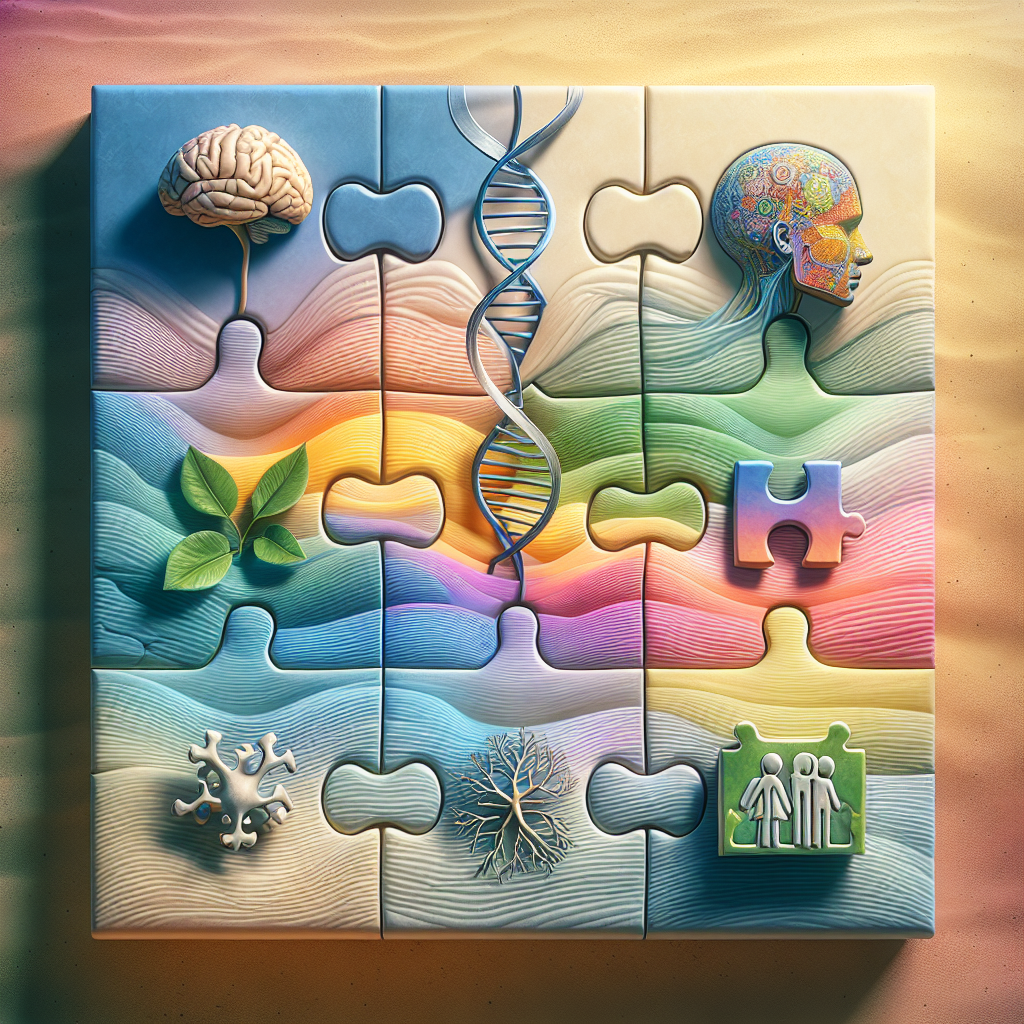
Research indicates a multifactorial origin of autism; both genetic and environmental factors play critical roles. Recent studies have also pointed to brain development as a crucial aspect in understanding how is autism caused? Various theories exist, each contributing to the broader understanding of autism.
Genetic factors account for a significant portion of ASD cases. For example, it’s been observed that siblings of individuals with autism are at a higher risk of developing the disorder than the general population. Moreover, twin studies indicate a high concordance rate between identical twins, suggesting a robust genetic component influencing the manifestation of autism.
Environmental factors are equally crucial in understanding how is autism caused?. These factors could include prenatal exposures to certain medications, complications during pregnancy or birth, and environmental toxins. Current research strives to isolate these variables and understand their potential impact on brain development.
Now, let’s delve deeper into both genetic and environmental factors that contribute to autism.
Genetic Factors in Autism
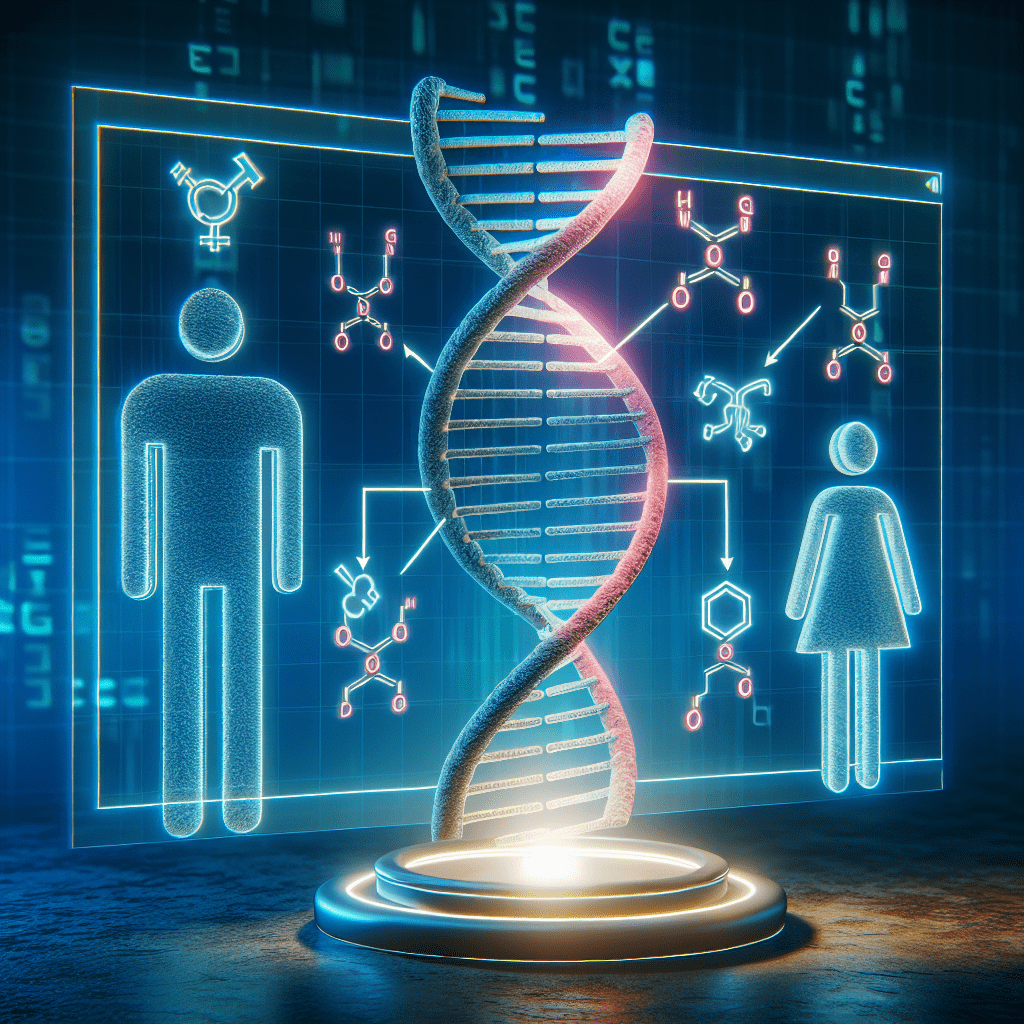
Genetics plays a colossal role in autism, as numerous studies have established a clear connection between hereditary factors and the likelihood of developing autism. For instance, advancements in genetic testing have made it possible to identify specific mutations or variations associated with the disorder. Over 100 genes have been implicated in autism, although no single gene is responsible for the majority of cases.
One significant discovery in understanding how is autism caused? lies in the identification of copy number variations (CNVs). These are large sections of DNA that can be duplicated or deleted. In some instances, individuals with autism exhibit these CNVs, indicating that even small genetic alterations can have substantial impacts on brain function and development.
In addition to CNVs, single nucleotide polymorphisms (SNPs) have also been linked to the risk for autism. These tiny variations in DNA sequence contribute to a person’s unique genetic makeup, influencing everything from physical traits to susceptibility to illnesses.
Importantly, while genes play a significant role, they do not operate in isolation. Interactions between different genes and environmental triggers are thought to create a ‘risk profile’ that can lead to autism spectrum disorders. This concept promotes the idea that autism is not simply a hereditary condition but a complex interplay between genetics and the environment.
Moreover, recent research continues to unveil new genetic insights. Large-scale genomic studies are helping identify additional genetic components involved in ASD. For example, research from institutions like the Autism Speaks highlights that risk is not just about the presence of specific genetic mutations but how these genetic variations may affect neurological development over time. Interestingly, conditions like fragile X syndrome, Rett syndrome, and certain metabolic disorders can overlap with autism, providing further context about the genetic underpinnings of the disorder.
As we gain a deeper understanding of these genetic factors, we simultaneously recognize the need for research to explore how they interact with environmental factors. This insight is fundamental in addressing the primary question: how is autism caused? Each breadcrumb leads to a clearer picture of the disorder.
Environmental Influences on Autism Development
While genetics play a pivotal role in the development of autism, environmental factors are equally essential. Answering how is autism caused? necessitates a closer look at these influences, particularly during critical windows of brain development such as prenatal and early childhood stages.
Several environmental factors have been linked to an increased risk of autism. One of the most frequently studied areas involves prenatal exposure to teratogens. Teratogens are substances that can cause birth defects and developmental issues when a pregnant woman is exposed to them. For example, studies have shown that the use of certain medications like valproate during pregnancy is associated with a higher risk of autism in children. More broadly, prenatal exposure to alcohol and drugs has come under scrutiny as potential contributing factors.
Other environmental influences could stem from maternal health during pregnancy. Certain health conditions like diabetes, obesity, and infections during pregnancy have been associated with an increased risk of autism. Notably, maternal fever during specific developmental periods is thought to be particularly impactful.
In addition to prenatal influences, environmental toxins are under investigation for their possible role in autism development. Chemicals such as heavy metals, pesticides, and pollutants may influence brain development in ways that increase the likelihood of developing ASD. Studies indicate that higher levels of maternal exposure to heavy metals during pregnancy can correlate with a higher incidence of autism diagnoses.
Furthermore, the modern rise in autism diagnoses has also prompted research into the role of early childhood exposures. For instance, the early childhood environment—including factors ranging from air quality to socioeconomic status—has been highlighted as potentially contributing to autism risk. The combination of these various environmental elements creates complex scenarios that individual families must navigate, without straightforward answers to the question: how is autism caused?
The interplay between genetic predisposition and environmental influences continues to be a prominent focus of research. Collaborative efforts among scientists, clinicians, and parents can foster greater understanding and support efforts towards effective interventions for children diagnosed with autism. Through ongoing research and community engagement, we can strive toward answers—bringing greater clarity to the complexities surrounding autism.
Conclusion
When pondering how is autism caused?, we must remember that the disorder is not the result of a single factor. Instead, it emerges from a multifaceted interplay of genetic predispositions and environmental influences. Greater awareness and knowledge can improve support systems for individuals with ASD and their families.
As research continues to develop, it’s crucial for has knowledge to progress with it. The ever-evolving landscape of autism research emphasizes that while significant strides have been made, much is still undiscovered. Each new finding offers hope for better understanding, enhanced early detection efforts, and potential therapeutic approaches that can help individuals with autism thrive. Through fostering dialogue, community support, and ongoing studies, we can not only answer how is autism caused? but also improve quality of life for those affected by the disorder.
Frequently Asked Questions (FAQs)
What are the main causes of autism?
The main causes of autism involve a combination of genetic and environmental factors. Genetic predispositions can influence brain development, while environmental factors, especially during pregnancy and early childhood, can further contribute to risk.
Are there any known environmental factors that cause autism?
Yes, certain environmental factors such as prenatal exposure to teratogens, maternal health during pregnancy, and exposure to toxins have been associated with an increased risk of autism. Common teratogens include specific medications, alcohol, and drugs.
Can autism be prevented?
While we cannot prevent autism, understanding risk factors may help expectant parents make informed decisions about lifestyle choices, prenatal care, and exposures during pregnancy, potentially lowering the risk for development.
Is there a cure for autism?
No, there is currently no cure for autism. However, evidence-based interventions and early support can significantly improve the quality of life for those diagnosed with autism and help them thrive.
How can I learn more about autism?
To learn more about autism, consider visiting reputable sources such as the Autism Society or Autism Speaks. These organizations provide valuable resources and information about autism spectrum disorder, family support, and research findings.